Translate a book from English into Persian
Upload the whole book as one PDF; there's no page limit. Terms are kept consistent from the first chapter to the last, and you get a Persian PDF, a Word file and a free summary of the book. The result is a draft for you or your editor to start from, not a final text.
What you get
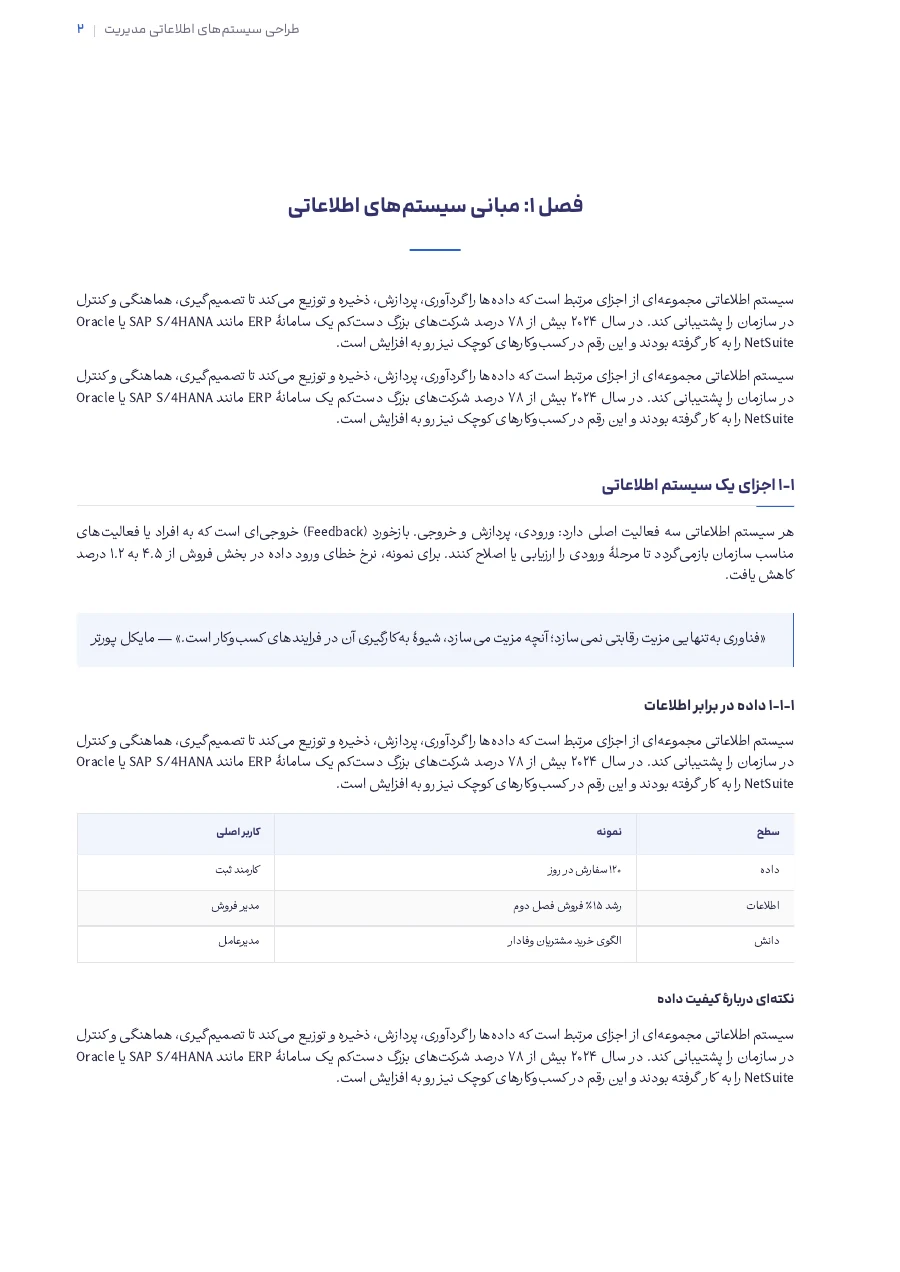
A right-to-left Persian PDF (plus a print-quality version if you want one), a Word file, and an automatic book summary whose PDF is free.
Who it's for
Publishers, translators who want a first draft, lecturers, and readers holding a book that has no Persian edition.
Why it helps
Translating a book by hand takes months. With a draft of the whole book, the job becomes editing instead of writing from scratch.
Questions
How long does a book take?
With economy delivery, usually about a day, but that isn't guaranteed. Fast delivery starts right away and usually takes a few hours, longer for big books. Fast costs about twice as much.
What if part of the book doesn't get translated?
If more than half of the book stays in English, nothing is charged and you still get the files. If only some sections fail, you resend just those and pay only for what is translated again.
How much does a book cost?
The price comes from the word count, not the number of pages. Upload the book to see a free estimate; nothing is charged until you press start.
Related services
-
PDF translation
Upload an English PDF, get a right-to-left Persian PDF and an editable Word file. See the cost first and preview a paragraph in three styles, free.
-
Audiobook
Turn a translated book into a condensed reading by one narrator: 15 to 30 minutes, not the full book. You review the script before the audio is made.
-
Book summary
Every translation comes with an automatic summary of the book, and its PDF is free. Very short texts don't get a summary.